

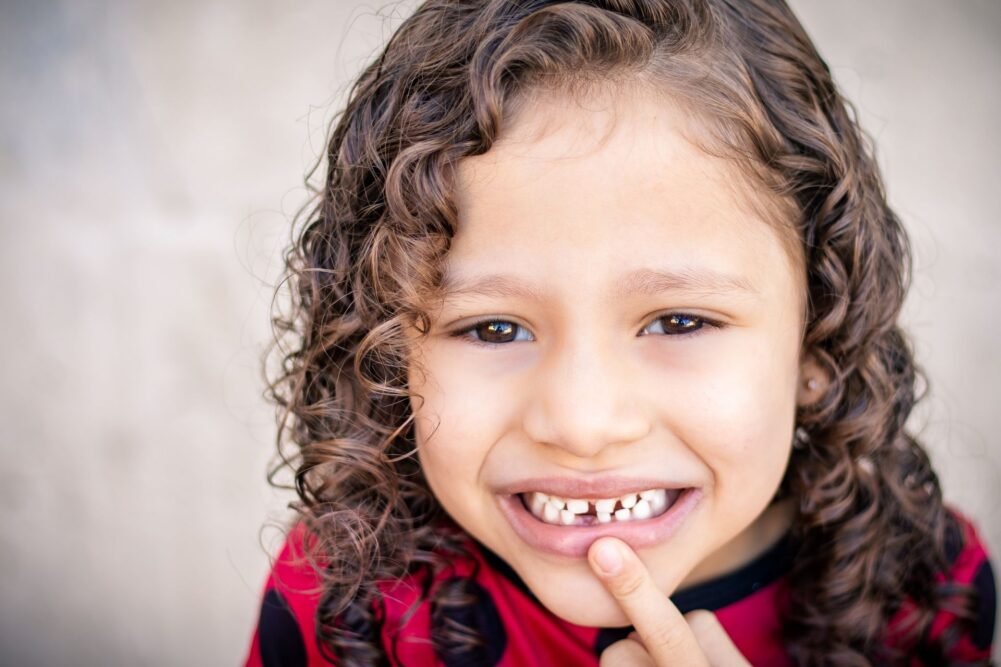
Baby teeth may be small, but they do big jobs. They help kids chew, speak clearly, smile with confidence, and they save space for the grown-up teeth that are coming later. Most children start losing baby teeth at around age 6 and keep losing them slowly until about age 12.
So what happens when baby teeth start falling out much earlier than you expected? Sometimes it is just normal for that child. Other times, it can be a sign that something needs a pediatric dentist’s attention. Our goal is to help you tell the difference, so you know when to relax and when to get things checked.
Summer break is a great time for this. Schedules are a little looser, kids are home more, and you may notice changes in their smiles, like teeth getting wiggly sooner than you thought they would. When you know what to watch for, you can act early and protect your child’s future smile.
Normal Tooth Timeline vs Early Tooth Loss
Most children follow a general pattern when baby teeth loosen and fall out. It does not have to be exact, but it gives a helpful guide.
Typical order and timing look like this:
- Bottom front teeth are usually first, around age 6
- Top front teeth are next
- Side front teeth follow over the next couple of years
- Baby molars and canines are usually lost between ages 9 and 12
We usually call it “early” when:
- A tooth is lost one to two years before we would expect it
- Several teeth fall out quickly with no clear reason, like an injury
- Teeth are coming out and there is no sign of the adult tooth under them
Baby teeth are like placeholders. If they fall out too early, nearby teeth can drift into that open space. This can:
- Change the way the jaw grows
- Make it harder for permanent teeth to come in straight
- Lead to crowding or bite problems that may need orthodontic care later
Every child is different, so being a bit early or a bit late is not always a problem. What matters more is sudden change, pain, swelling, or anything that feels “off” to you. Those are signs to schedule a visit with a pediatric dentist for a closer look.
Common Reasons Baby Teeth Fall Out Sooner Than Expected
There are many reasons baby teeth might fall out early. Some are simple, and some are more complex. The most common ones include:
- Untreated cavities and infection
- Accidental injuries during play or sports
- Developmental differences in teeth and jaws
- Certain medical conditions or medications
When a baby tooth has a large cavity, the tooth and root can weaken. Infection can damage the bone around the tooth. This can cause the tooth to loosen before the permanent tooth underneath is ready, so it may fall out or need to be removed to protect your child’s health.
Injuries are another big cause, especially with active kids. A fall off a bike, a collision during sports, or a slip by the pool can:
- Crack or break a baby tooth
- Push a tooth out of position
- Damage the root or the developing adult tooth under it
Sometimes, teeth look fine right after the injury but start to darken, loosen, or hurt later. That is another reason early dental checks are so helpful.
Less common reasons include things like extra teeth, missing permanent teeth, or health conditions that affect bones and growth. We also see differences in timing when certain medications are used over a long period. Because parents cannot see everything happening under the gums, a professional exam is important when tooth loss feels “too early.”
When to Call the Pediatric Dentist Right Away
There are times when you should not wait and watch. If you see any of these signs, it is time to call a pediatric dental office as soon as you can:
- Baby tooth falls out early with strong pain or swelling
- Bleeding that does not slow down after gentle pressure
- Gums that look very red, puffy, or have strange color changes
- A bad taste or odor from the mouth that does not go away
- A tooth that is cracked, chipped, knocked out, or pushed out of line
After an injury, quick care matters. Even if it is just a baby tooth, the permanent tooth is developing right under it. A prompt exam lets us:
- Check if the tooth can be saved
- See if the adult tooth is safe
- Plan if we need to protect the space for the permanent tooth
During an urgent visit, parents can expect a gentle exam and often X-rays to see what is happening under the gums. Our team keeps the tone calm and friendly, so kids feel safe, even when something scary has happened. In a place like South Florida, where kids are active outdoors almost all year, having a trusted “dental home” makes it easier to get help fast when you need it.
Protecting Space and Guiding Adult Teeth Into Place
When baby teeth fall out too soon, one of the big questions is how to protect the space for the grown-up tooth. That is where space maintainers may come in.
A space maintainer is a small device, usually made of metal or plastic, that holds open the gap where a baby tooth was lost early. It:
- Keeps nearby teeth from drifting into the space
- Gives the permanent tooth room to come in
- Helps support healthy jaw and bite development
Without that space, the adult tooth can come in crooked, twisted, or stuck in the bone. That can increase the chances of needing more involved orthodontic care later.
One nice benefit of a combined pediatric dentistry and orthodontic practice is teamwork. When the dentist and orthodontist work together, they can:
- Watch growth and tooth positions over time
- Spot early signs of crowding or bite problems
- Decide when a space maintainer is helpful and when it is not needed
Not every early tooth loss needs a space maintainer. The choice depends on which tooth was lost, your child’s age, and how close the permanent tooth is to coming in. A careful exam and X-rays help guide that decision.
What Parents Can Do at Home Right Now
If your child has lost a baby tooth early, there are simple things you can do at home while you wait for a dental visit.
For day-to-day care:
- Keep the area clean by gently brushing around the space
- Offer a soft diet if the gums feel sore
- Avoid letting your child wiggle teeth that are only a little loose
- Remind them not to poke the spot with fingers or objects
To help prevent early loss from decay, focus on:
- Brushing twice a day with fluoride toothpaste
- Daily flossing once teeth touch
- Limiting sugary snacks and drinks, including sweet summer treats
- Regular professional checkups and cleanings
To lower the risk of injury-related tooth loss, set some simple safety habits:
- Well-fitted mouthguards for contact sports
- Helmets for biking, scooters, and skateboards
- Clear pool rules about no rough play near hard edges
- Reminders not to use teeth to open packages or bite hard objects
It is also helpful to watch for habits that can affect teeth, such as thumb sucking, nail biting, or chronic mouth breathing. If you notice patterns, bring them up with your child’s pediatric dentist so you can plan together for healthy smile growth.
Protect Your Child’s Smile With Early, Expert Care
If you have concerns about baby teeth falling out early, we are here to help you understand what is normal and what needs attention. At Pediatric Dentistry Orthodontics, we carefully evaluate your child’s teeth and gums to support healthy development and long-term oral health. Reach out today so we can answer your questions, reassure you, and recommend any next steps. To schedule an appointment or ask a question, please contact us.