

Pediatric dental cleanings are about much more than shiny teeth. Regular visits help keep your child’s mouth healthy, support normal growth and development, and shape how your child feels about the dentist for years to come. When kids start early with gentle, positive experiences, they are far more likely to grow into adults who care for their smiles without fear or hesitation.
In this article, we will walk through what actually happens during a pediatric dental cleaning, why these visits matter so much for growing smiles, how often kids should come in, and how you can make each appointment smooth and stress-free. At Pediatric Dentistry & Orthodontics in South Florida, we care about making every visit feel comfortable, fun, and tailored to your child.
Helping Your Child Love the Dentist From Day One
The first few dental visits set the tone for how a child feels about oral care. When cleanings start early and are kept on a regular schedule, kids get used to the sights and sounds of the dental office, and those visits become a normal part of life rather than something to fear. Familiarity builds comfort, and comfort builds cooperation.
Early pediatric dental cleanings protect both baby teeth and the adult teeth that are developing underneath. Healthy teeth support clear speech, confident smiles in photos and at school, and the ability to bite and chew a wide variety of foods. When kids can eat comfortably, it is easier to maintain balanced nutrition, which supports overall growth.
We also recognize that no two children are alike. A good pediatric dental cleaning is gentle, age-appropriate, and adjusted to each child’s personality and needs. Some kids love to talk and ask questions, others need extra reassurance or a slower pace, and some prefer quiet with a TV show to focus on. Our job is to meet them where they are and help them leave feeling proud of what they accomplished.
What Happens During a Pediatric Dental Cleaning Visit
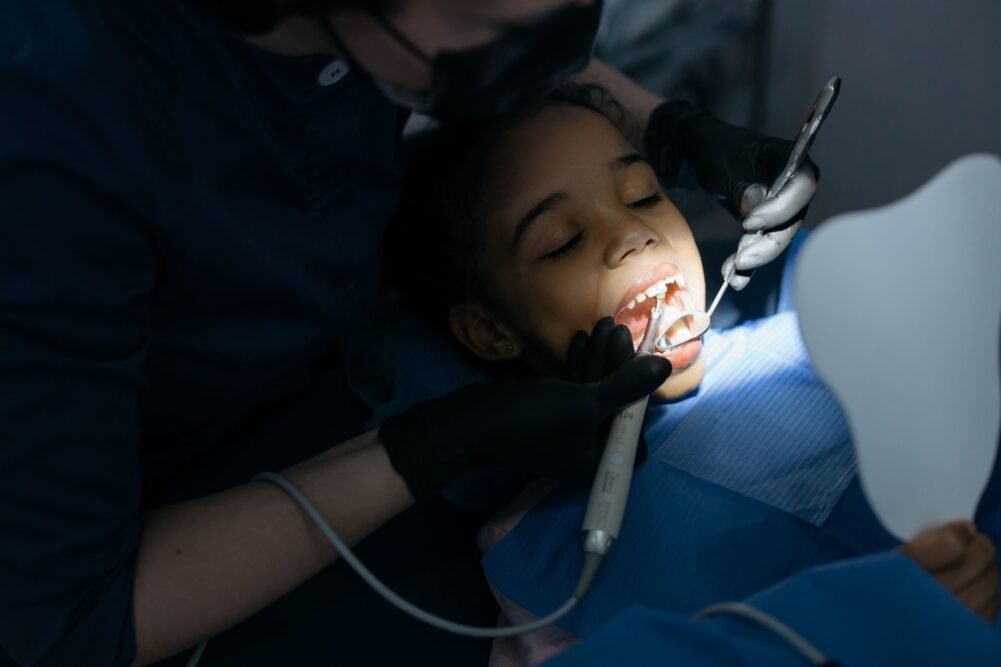
From the moment you walk in, a child-friendly welcome makes a big difference. At a typical visit, we start by reviewing your child’s medical and dental history and asking about any recent changes or concerns, such as tooth sensitivity, thumb sucking, or sports injuries. This conversation helps us understand your child’s health and daily habits so we can personalize care.
During the cleaning itself, kids can usually expect a simple step-by-step process:
- A careful exam of the teeth, gums, and bite
- Gentle removal of plaque and tartar that brushing cannot reach
- Polishing to smooth the tooth surfaces
- Flossing between teeth
- Fluoride treatment when appropriate for extra cavity protection
Throughout the visit, pediatric dentists and hygienists explain what they are doing in simple, friendly language. Instead of technical terms, we might talk about “sugar bugs” or “tickling” the teeth. Kids can see and touch some of the tools, choose flavors when possible, and ask questions. When children feel included and informed, they are more likely to relax and even enjoy the experience.
Why Pediatric Dental Cleanings Matter for Growing Smiles
Regular pediatric dental cleanings help prevent cavities, gum irritation, and early tooth loss. When decay or gum problems are caught late, kids may experience pain, difficulty chewing, or trouble concentrating in school. Keeping the mouth clean lowers the risk of these problems and supports comfortable eating and speaking.
Baby teeth play a big role in guiding the jaw and making space for adult teeth. When baby teeth stay healthy until they are ready to fall out naturally, they help permanent teeth move into better positions. This is especially important for long-term alignment and can support orthodontic success later on.
During each cleaning, we also have a chance to spot small issues before they grow. That can include early signs of enamel weakness, bite problems such as crossbites or open bites, or habits like thumb sucking and prolonged pacifier use. Addressing these early can make treatment simpler and help your child stay on track for a healthy, functional smile.
How Often Kids Need Cleanings at Every Age
Most children benefit from a pediatric dental cleaning about every six months. This schedule gives us frequent check-in points to watch growth and catch any problem areas early. Some children with higher cavity risk, braces, or specific medical considerations may need cleanings more often, and we decide that together with parents.
In general, needs change as kids grow:
- Toddlers: We recommend a first visit by the time the first tooth appears or around the first birthday. Cleanings in these early years are short, gentle, and focused on building trust and teaching parents how to care for tiny teeth.
- School-age kids: As kids become more independent with brushing, cleanings help remove plaque they miss and reinforce good habits. Mixed baby and permanent teeth are closely monitored for cavity risk and alignment.
- Teens: With busy schedules and more snacking, teens benefit from consistent cleanings to manage plaque and stains. For those with braces or other orthodontic appliances, professional cleanings support gum health and make it easier to keep everything clean at home. Sports mouthguards may also be discussed for kids in contact sports.
Parents often ask when to start cleanings, what to do if an appointment was missed, or how to support children with special health or sensory needs. The answer is usually to start early, get back on track as soon as you can, and work as a team with the pediatric dental office to adjust visits so your child feels safe and understood.
Making Pediatric Dental Cleanings Fun and Stress-Free
Preparation at home goes a long way. You can help your child feel ready by:
- Reading age-appropriate picture books about going to the dentist
- Playing “dentist” with stuffed animals or dolls
- Using positive language, avoiding words like “hurt” or “shot”
- Planning a small reward or fun activity after the appointment
A child-focused office also makes a difference. Bright decor, fun themes, TV screens, prizes, and a warm, patient team help turn a cleaning into a positive outing instead of something to worry about. Gentle behavior guidance, like explaining each step and praising cooperation, builds trust over time.
Parents set the tone. Staying calm, speaking confidently about the visit, and avoiding sharing any negative dental experiences helps kids feel safe. When you celebrate each visit, even the small ones, you reinforce that caring for teeth is a normal, positive routine, just like going to school or sports practice.
At-Home Habits That Boost Every Pediatric Dental Cleaning
Good daily care at home makes cleanings easier and faster for your child. For most kids, that means brushing twice a day and flossing once a day once teeth touch. Younger children need hands-on help, while older kids may just need supervision and gentle reminders.
A few simple choices support healthy smiles:
- Choose a soft-bristled child-size toothbrush
- Use a fluoride toothpaste made for kids, in a rice grain amount for toddlers and a pea-sized amount for older children, as advised by your dentist
- Limit frequent sugary snacks and drinks, especially between meals
- Offer water often, especially after snacks
When plaque and tartar are kept under control at home, professional cleanings are often more comfortable, with less time spent removing buildup. Kids notice when appointments feel quick and easy, which again encourages them to stay engaged with their oral health routine. Over time, this combination of at-home care and regular pediatric dental cleanings supports a lifetime of healthy, confident smiles.
Keep Your Child’s Smile Healthy and Confident
Regular professional care helps prevent cavities and keeps little smiles bright, and our team at Pediatric Dentistry Orthodontics makes every visit comfortable for kids and parents alike. Schedule a pediatric dental cleaning so we can check for early issues and support your child’s long-term oral health. If you are ready to book an appointment or have questions, please contact us and we will be happy to help.