

Give Your Child a Bright Start with the Right First Visit
The first dental visit does more than check tiny teeth. It helps shape how your child feels about the dentist and taking care of their smile for years to come. When that first experience is calm, gentle, and even a little fun, kids learn that the dental office is a safe place, not something to fear.
Parents often ask, “What age for a first dental visit is best, and why does it matter so much?” The timing really does make a difference. An early, positive visit in a friendly, family-centered pediatric office can lower anxiety, catch small problems before they grow, and support healthy habits from the start.
Summer is a great time for families in South Florida to plan that first checkup. School is out, schedules are more flexible, and it is easier to find a time of day when your child is rested and relaxed. Getting that first visit done now can help your child start the next school year with a confident, healthy smile.
The Recommended Age for a First Dental Visit
The American Academy of Pediatric Dentistry suggests that children see a dentist by their first birthday, or within six months after their first tooth appears. That can feel early to many parents, especially if only a few teeth are showing. But this visit is quick, gentle, and focused on protecting your child’s smile before problems begin.
When parents ask, “What age for a first dental visit is truly necessary, not just nice to have?” the answer is: around age 1. At that age, the dentist can look for early signs of trouble, help you set up a simple home routine, and make sure everything is developing as it should.
Here are a few common myths about timing and why they can be risky:
- Myth: “Baby teeth do not matter because they fall out anyway.”
- Truth: Baby teeth hold space for adult teeth, help kids chew, and support clear speech. Cavities in baby teeth can hurt and can affect everyday life.
- Myth: “We can wait until preschool or kindergarten.”
- Truth: Waiting often means the first visit happens only after pain, a cavity, or an emergency. That first experience can be scary and stressful.
- Myth: “My child brushes daily, so we are fine.”
- Truth: Even with good brushing, a dentist can catch things you cannot see at home, like hidden decay or early bite issues.
Starting at the right age keeps that first visit easy, relaxed, and focused on prevention instead of repair.
Why Early Visits Matter for Baby Teeth and Beyond
Baby teeth might look tiny, but they play a big role in your child’s growth. They help with:
- Chewing food well so kids can enjoy a variety of healthy foods
- Learning clear speech sounds
- Holding space for adult teeth so the smile can line up properly
- Guiding jaw growth and overall facial development
When we see your child early, we can look for things like weak enamel, early cavities, or bite problems long before they cause pain. Small changes are easier for kids to handle and help keep future treatment simpler.
Early dental care also supports daily life. Children who see a dentist regularly are more likely to:
- Have fewer dental emergencies
- Miss less time from school and activities because of tooth pain
- Feel more comfortable and confident at dental visits as they grow
Prevention usually means shorter visits, less worry, and less chance of your child needing more complex treatment later. For many families, that peace of mind is one of the biggest benefits of starting early.
What Happens at Your Child’s First Dental Visit
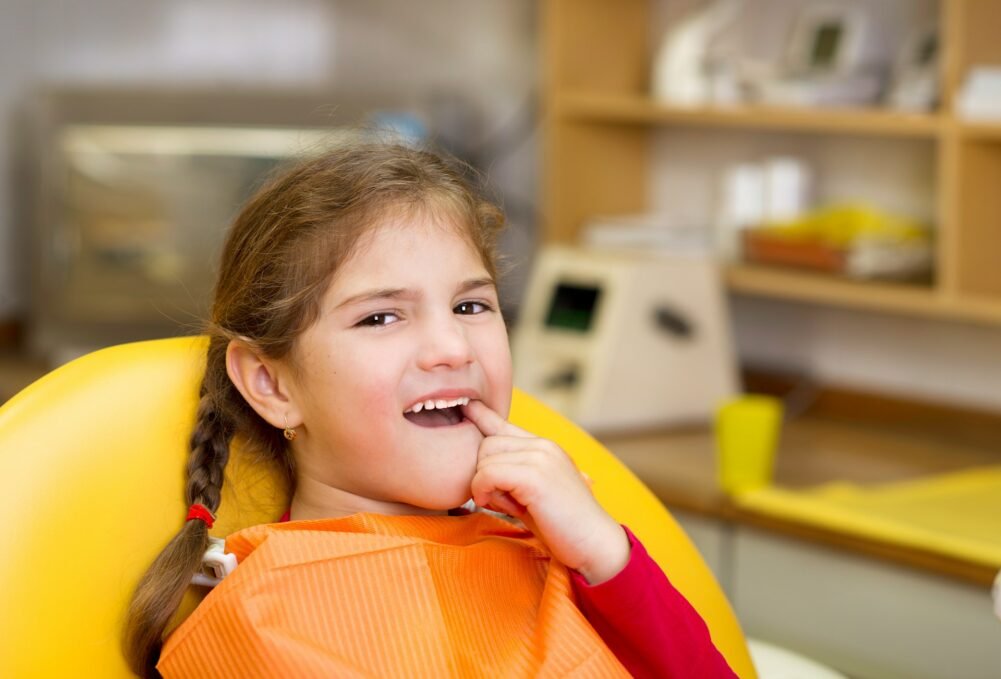
A first dental visit for a young child is gentle, calm, and tailored to their age. At our pediatric office, we keep things relaxed and simple so kids can get used to the space at their own pace.
A typical first visit often includes:
- A warm greeting and a friendly, kid-centered tour
- Time for your child to see the chair, lights, and tools in a non-scary way
- A quick look at the teeth and gums while your child sits in the chair or on your lap
- Lots of praise, high fives, and encouragement
During the exam, the pediatric dentist will check:
- Gums, cheeks, and tongue
- Baby teeth and any new teeth coming in
- The way the teeth come together when your child bites
- Oral habits, such as thumb sucking, pacifier use, or nail biting
- Any signs of early decay, spots, or other concerns
We also talk with you about brushing and flossing, fluoride, and simple snack ideas that are kinder to teeth. Since it is summer, we often review how to keep teeth safe during sports, pool time, and play, such as using mouthguards when needed and watching out for hard objects that can chip teeth.
If your child feels shy or nervous, that is completely okay. The visit moves at their speed, with no pressure to “do it all” in one day. The goal is to build trust and make this first experience feel safe and positive.
How to Prepare Your Child for a Happy First Dental Visit
A little preparation at home can make the first visit feel normal and even exciting. Use simple, positive steps to get your child ready:
- Read picture books about visiting the dentist
- Play “dentist” at home, taking turns counting teeth with a toothbrush
- Use calm words like “We are going to have the dentist count your teeth”
Try to avoid words that sound scary, such as “hurt,” “shot,” or “drill.” Instead, focus on:
- “The dentist will help keep your smile strong.”
- “They might take pictures of your teeth.”
- “We are going to check how clean your teeth are.”
Timing matters too. Pick a time of day when your child is usually rested and has had a light meal, often a morning slot during summer break. A tired or very hungry child has a harder time with new experiences.
Your attitude also makes a big difference. Children often copy how their parents feel. If you stay calm, relaxed, and upbeat, your child is more likely to feel safe. Treat the visit as a “big kid” milestone, like a first haircut or first day at school, and plan a small, simple celebration afterward.
Common Questions About Timing and Frequency
Parents still wonder, “What age for a first dental visit should we choose?” The clearest answer is: by age 1, or within six months after the first tooth appears. After that, most children do well with visits about every six months, or as the pediatric dentist recommends based on their needs.
Life does not always match the calendar, so here are a few timing tips:
- If you are planning a move, try to keep regular visits going, either just before or right after the move.
- If your first appointment lands close to vacation or back-to-school time, keep it, and treat it like part of your child’s regular health routine.
- If your child plays sports, ask about mouth protection during their visit so you are ready for the season.
Some situations call for an earlier visit than age 1. Make an appointment sooner if you notice:
- White, brown, or dark spots on the teeth
- Swelling, redness, or bleeding that does not improve
- A fall or injury that affects the mouth or teeth
- Ongoing bad breath that does not improve with brushing
If your child is already older and has not seen a dentist yet, it is still a good time to start. A pediatric office can help kids of any age learn new habits, feel more at ease, and move toward healthier, happier smiles.
Give Your Child a Confident, Healthy Start With Early Dental Care
If you are wondering What age for a first dental visit, we are here to guide you through every step. At Pediatric Dentistry Orthodontics, we create a calm, positive first experience that helps kids feel comfortable with dental care for life. Schedule an appointment today or contact us with questions so we can help you choose the best timing for your child’s first visit.