


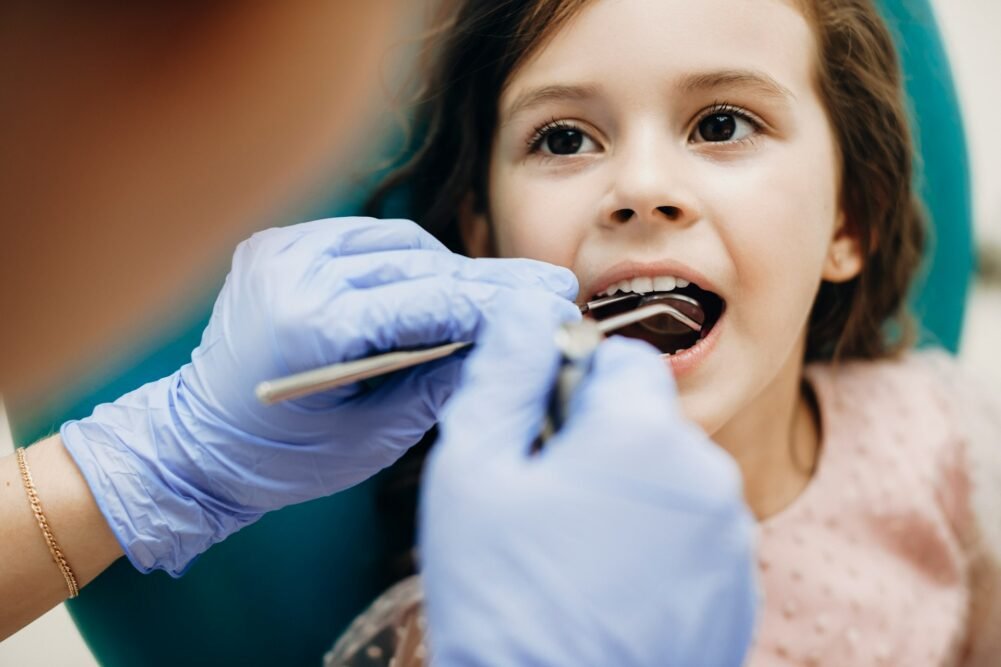
Helping Your Toddler Feel Safe About Tooth Extraction
A toddler tooth extraction can sound scary, but for pediatric dentists it is a common, gentle procedure. Sometimes it is the healthiest choice for your child, especially when a tooth is badly damaged or hurting. The goal is simple: stop pain, clear infection, and protect the teeth that are still growing in.
As parents, we know the emotional side can feel even bigger than the dental side. Toddlers pick up on our moods quickly. If we are nervous, they feel nervous too. When we keep things calm and predictable, the appointment can feel much easier for everyone.
Child-focused offices are designed with this in mind. From kid-friendly language and bright décor to patient behavior guidance, every part of the visit is shaped to help children feel safe and respected. Late summer is also a smart time to handle a needed toddler tooth extraction. Taking care of the problem now can prevent sudden toothaches or school-day emergencies once daycare and back-to-school routines kick into full speed.
Understanding Why a Toddler Tooth Extraction Is Needed
Parents often want to know why a baby tooth needs to come out at all. After all, it was going to fall out someday anyway. A dentist might recommend a toddler tooth extraction when:
- A cavity is very deep and cannot be safely restored
- There is an infection or abscess around the root of the tooth
- A tooth is fractured or broken from a fall or accident
- A baby tooth is blocking proper growth or position of adult teeth
It is normal to have questions like, “Will this hurt the permanent tooth?” or “Is my child too young for this?” Pediatric specialists are trained to look closely at:
- Dental X-rays and how the roots and adult teeth are forming
- Your child’s age and growth stage
- Overall health and medical history
- How the problem tooth is affecting chewing, sleep, or comfort
By removing a tooth that is badly decayed or infected, we help protect the developing permanent teeth underneath. This also supports clear speech sounds, comfortable chewing, and happy smiles. As fall brings more snacks, classroom parties, and busy schedules, having a healthy mouth makes it easier for your child to enjoy all those activities without dental pain getting in the way.
How to Talk to Your Toddler About the Dentist
The way we talk about the dentist at home sets the tone for how a toddler feels in the chair. Keep it simple, honest, and calm. You might say something like, “The dentist is going to help your tooth go to sleep and then wiggle it out so your mouth can feel better.” Short, clear sentences usually work best at this age.
Try to avoid:
- Scary words like “shot,” “needle,” or “hurt”
- Talking about your own bad dental memories
- Long, detailed explanations that create more questions
Instead, focus on what your child can expect:
- “You will sit in a special chair that goes up and down.”
- “You will see a bright light and some little tools.”
- “The dentist and helpers will count your teeth and help your sore tooth.”
Many parents find it helpful to practice with books or pretend play. You can:
- Read simple picture books about going to the dentist
- Use a stuffed animal and “check” its teeth with a toothbrush
- Watch short videos from trusted pediatric dental sources together
When the idea of the dental visit feels familiar, the real visit usually feels less intimidating.
What to Expect on Extraction Day
Knowing the plan helps both you and your child feel more relaxed. While every office is a little different, a typical toddler tooth extraction visit usually includes:
- Check-in at the front desk and a quick review of health history
- Meeting the dental team and taking a look at the tooth
- Numbing the area with a gel and then local anesthesia
- Gently loosening and removing the tooth
- Placing gauze and giving simple instructions for home
Pediatric Dentistry & Orthodontics uses comfort-focused techniques to help kids feel safe. This may include child-sized equipment, “tell-show-do” explanations, numbing gel before injections, and distractions like toys, music, or conversation. For some children, mild sedation can be recommended, based on age, health, and the type of procedure. This is always planned carefully with parents ahead of time.
You can also make the day smoother by:
- Booking the visit at your toddler’s best time of day, often morning
- Bringing a favorite blanket, stuffed animal, or small toy
- Keeping snacks light before the visit if sedation is planned
- Dressing your child in comfy, easy clothing
When the appointment feels structured and predictable, it is easier for a child to move from one step to the next without feeling overwhelmed.
Calm Aftercare for a Happy Healing Day
After a toddler tooth extraction, your main jobs are comfort, rest, and gentle care of the area. Your child’s dentist will give specific directions, but in general, parents can expect:
- Biting softly on gauze to help control bleeding
- Offering soft foods like yogurt, applesauce, or mashed potatoes
- Cool drinks, not hot, and no straws that can disturb the area
- Using over-the-counter pain relief only as directed by the dentist
Some things are normal, including mild swelling, small spots of blood on the gauze, and some sensitivity around the extraction site. Warning signs that mean you should call the dental office include:
- Worsening pain that does not improve with recommended medicine
- Fever or your child seeming very unwell
- Swelling that is quickly increasing or spreading
Plan for a low-key “recovery day” at home as the summer winds down. Quiet indoor activities work well, such as coloring, simple puzzles, favorite shows, sticker charts, or story time. Extra snuggles and attention help your child connect the experience with comfort and care, not fear. Keeping the mood gentle and positive makes future dental visits easier too.
Setting Your Child Up for Future Smile Success
A toddler tooth extraction can feel like a big event, but it can also be a fresh start for better habits. Once your child is feeling back to normal, you can:
- Brush twice a day with a small smear of fluoride toothpaste
- Help with flossing where teeth touch
- Keep a regular schedule of pediatric dental visits
Follow-up care after an extraction matters. These visits allow the dentist to monitor healing, watch how the space is affecting nearby teeth, and adjust preventive care as your child grows. This is especially helpful as school and holiday seasons bring more treats, busy evenings, and on-the-go snacks.
For families in South Florida, Pediatric Dentistry & Orthodontics is committed to helping toddler tooth extraction feel calm, familiar, and as trauma-free as possible. With the right preparation, a caring dental team, and gentle support at home, your child can come through the experience feeling brave, supported, and ready to keep smiling.
Help Your Toddler Feel Better and Heal Safely
If your child’s dentist has recommended toddler tooth extraction, we know it can feel overwhelming, and we are here to guide you every step of the way. At Pediatric Dentistry Orthodontics, we focus on gentle care, clear explanations, and keeping your little one as comfortable as possible before, during, and after the procedure. Reach out today so we can answer your questions, schedule a visit, and create a treatment plan tailored to your child’s needs, or contact us to get started.