


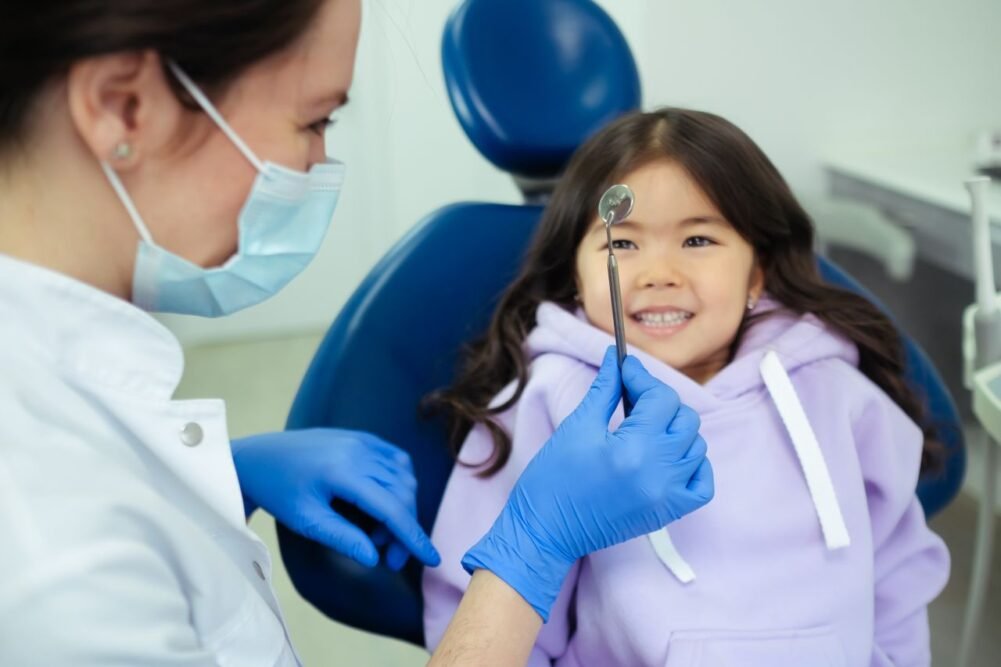
Turn First Dental Visits Into Calm, Happy Moments
Fear of the dentist in children is more common than many parents think, especially before that very first visit. New sights, sounds, and people can feel like a lot, and those first experiences often shape how a child feels about dental care for years to come. When kids start out scared, they may try to avoid checkups later, which can affect their teeth and their confidence.
The good news is that fear is not permanent. With simple prep at home and the right pediatric team, even a nervous child can walk out of the office feeling safe, calm, and proud. At Pediatric Dentistry & Orthodontics here in South Florida, we focus on gentle, kid-centered care and making first visits feel fun, especially during busy summer and back-to-school time. We will walk through why kids get scared, what to say and do before the visit, how a child-friendly office helps, and what to do if your child needs extra support.
Why Kids Get Afraid of the Dentist
When we meet a child afraid of the dentist, the fear usually has a few common roots.
Some kids are scared of the unknown. They may wonder: What will happen? Will it hurt? Who are these people? Sometimes they have heard scary stories, seen a movie, or picked up on an adult’s own dental fears.
Other kids are more sensitive to how things feel around them. A dental office has bright lights, new smells, and tools that look and sound strange. The chair moves up and down. For children with sensory differences, all of this can feel like too much at once.
Past experiences also play a big part. If a child has had a rushed or uncomfortable medical visit before, they may expect every office to feel the same, even if this one is calm and gentle.
Age and personality matter too:
- Toddlers may cry because they do not want to leave a parent’s lap or be close to a new person.
- Preschoolers and early grade-schoolers may worry about pain, shots, or getting in trouble for not brushing enough.
- Shy or cautious kids might need more time and extra reassurance than outgoing siblings.
- Very imaginative kids may picture things far worse than they really are.
Summer and back-to-school season can add another layer. Kids are switching routines, going to camps, or thinking about new teachers and classmates. All that change can make worries feel bigger, including worries about the dentist. Planning an appointment at a calm, unrushed time, like a quiet morning during summer break, often sets a more relaxed tone.
Calm Starts at Home Before the First Visit
Helping a child afraid of the dentist begins long before you step into the office. The way we talk about the visit at home can either build fear or build trust.
Use simple, honest language. You might say things like:
- “The dentist will count your teeth.”
- “They will use a tiny mirror to look inside your mouth.”
- “You will sit in a special chair that goes up and down.”
Try not to use words like “shot,” “drill,” or “hurt.” Also avoid promising, “It will not hurt at all.” If your child feels any pressure or discomfort, they may feel tricked. Instead, you can say, “If something bothers you, we will raise our hand so we can take a break.”
Practice through play and stories. Kids learn best by doing and pretending:
- Play “dentist” with a toothbrush, a flashlight, and a stuffed animal. Let your child be the dentist and the patient.
- Take turns counting each other’s teeth.
- Read simple picture books or watch age-appropriate videos that show happy dental visits and friendly teams.
This kind of play helps the dental visit feel familiar, not scary.
It also helps to reframe the visit as a milestone. You can explain that going to the dentist is a “big kid” activity, like starting school or learning to ride a bike. Point out the fun parts: the cool chair, special tools, and a chance to show how well they brush. Plan a small, non-food reward afterward, like:
- Extra time at the park
- A few new stickers
- An extra bedtime story
This gives your child something positive to look forward to without turning the visit into a big, scary “test.”
Working with a Kid-Friendly Dental Team
The right dental team makes a huge difference for a child afraid of the dentist. Pediatric dentists have extra training in child growth, behavior, and communication. We spend our days talking with kids, reading their cues, and adjusting what we do so each child can feel as safe as possible.
A kid-focused office is designed with children in mind. At Pediatric Dentistry & Orthodontics, our space is welcoming and fun for kids and teens, and our team loves turning nervous faces into proud smiles.
Before you bring your child in, it can help to ask the office a few questions:
- How do you explain things to kids?
- Can a parent stay in the room?
- What do you do if a child is very shy or anxious?
- Do you offer quick “hello” or “happy” visits before any treatment?
Many pediatric teams use a “tell-show-do” style: we tell a child what we will do in simple words, show the tool on a finger or a stuffed toy, then gently do the step in the mouth. Distractions like TV, music, or small toys also help kids focus on something fun instead of their worries.
For a first visit, it can be helpful to think of it as a getting-to-know-you day. If possible, pick a time when your child is usually rested and not rushed. The visit may be mostly about:
- Saying hello to the team
- Taking a ride in the chair
- Counting teeth
- Talking about brushing and home care
Starting small helps build trust for future visits.
Gentle Strategies During the Visit
Parents play a big role in calming a child afraid of the dentist. Kids watch our faces and listen to our tone. If we stay relaxed, they are more likely to feel safe.
Try to keep your body language open and your voice soft and steady. If you feel nervous, take slow breaths yourself first. Simple grounding tricks can help your child too, like:
- Taking slow “belly breaths” together
- Counting ceiling tiles or lights
- Letting them squeeze a stress ball or a favorite small toy
Giving kids small choices also helps them feel in control. You might ask:
- “Do you want to sit in the chair by yourself or on my lap first?”
- “Should we count top teeth or bottom teeth first?”
- “Do you want to hold my hand or your toy?”
Before the visit starts, help your child and the dentist set up a clear signal to pause, like raising a hand. When the dentist stops right away, your child learns, “People listen to me here,” which lowers fear.
After the visit, even if there were tears, focus on what went well. You can say things like:
- “You opened your mouth so wide; that was very brave.”
- “You sat in the chair even when you felt nervous.”
- “You listened and followed directions.”
Many pediatric offices, including ours, end visits with fun touches like stickers or a treasure box prize. These little moments help your child remember the visit as a success, not a failure.
When Fear Feels Bigger Than Usual
Sometimes a child afraid of the dentist has such strong fear that regular preparation is not enough. Signs might include:
- Nightmares or trouble sleeping before a visit
- Refusing to get in the car or enter the office
- Shaking, sweating, or screaming even with calm support
- Extreme meltdowns that do not get better once the visit starts
These reactions are not “bad behavior.” They are signs that your child’s nervous system is on high alert and needs more gentle, step-by-step help.
In these situations, it is helpful to talk openly with the pediatric dentist about your child’s history, triggers, and any diagnoses like autism or anxiety. Together, you can plan a slower path, which may include:
- Several short “happy visits” where nothing is done except saying hello and exploring the space
- Simple behavior guidance, like reward charts or very small goals
- In some cases, safe sedation options for needed treatment, if the dentist recommends it
For very strong or long-lasting anxiety, some families also work with a child therapist. A therapist can teach coping tools that your child can use in the dental chair and in other stressful places. Getting support early can keep a scared child from growing into an adult who avoids dental care and deals with preventable problems later on.
With patience, practice, and a gentle pediatric team, even very nervous kids can learn that the dental office is a place where they are safe, heard, and celebrated for their bravery.
Help Your Child Feel Safe And Confident At The Dentist
If you are worried about a child afraid of the dentist, we are here to guide you and your family through every step with patience and compassion. At Pediatric Dentistry Orthodontics, our team uses kid-friendly techniques, gentle communication, and a calming environment to help turn fear into confidence. Schedule a visit or contact us with your questions so together we can make dental visits a positive part of your child’s healthy routine.