


Gentle Relief for Little Smiles in Tooth Trouble
A child waking up crying with tooth pain can make any parent feel worried and a little helpless. The word “root canal” often sounds scary, especially when you think about it happening to a small child. Many parents worry about pain, trauma, and what that treatment might mean for their child in the long run.
The good news is that a baby root canal can be gentle and often feels pain-free for kids when it is done with child-friendly methods and a calm, fun atmosphere. Modern pediatric care focuses on comfort, clear communication, and keeping your child relaxed from start to finish. We want you to understand what is happening in your child’s mouth so you can feel confident about the choices you make.
In this guide, we will explain what a baby root canal really is, when it is needed, how we keep kids comfortable, and why saving baby teeth can help protect future orthodontic health. Our goal is to help your family feel prepared, not scared, if your child ever needs this kind of care.
What Exactly Is a Baby Root Canal?
A baby root canal is a treatment for a baby tooth that has a deep cavity or injury that reaches the inside of the tooth. Pediatric dentists may call it a pulpotomy or pulpectomy. In simple terms, we clean and treat the inside part of the tooth that is causing pain or infection and then protect the tooth so it can stay in place.
This is not the same as an adult root canal. Baby root canals are usually:
- Less extensive
- Focused on baby teeth only
- Often shorter appointments
- Designed with a child’s smaller tooth anatomy in mind
The main goal is to stop pain, remove infection, and keep the tooth so your child can chew, speak, and smile comfortably.
Common reasons a baby root canal might be recommended include:
- Deep cavities from frequent sweets and sugary drinks
- Tooth decay that has been building up over time
- Dental trauma from a fall, sports hit, or accident
- Cracks or chips that expose the nerve of the tooth
When we see a child with these concerns, we look for the safest, most comfortable way to protect the tooth and the rest of the mouth.
Why Saving Baby Teeth Matters More Than You Think
It can be tempting to think, “It is just a baby tooth, it will fall out anyway.” Baby teeth do fall out, but they play an important role until that day. They act as space holders for the permanent teeth growing underneath, guiding them into the right position.
Healthy baby teeth help with:
- Keeping space for adult teeth
- Supporting normal jaw and facial growth
- Helping kids chew a wide variety of foods
- Allowing clear speech and word sounds
Comfort is also a big part of this picture. A child with tooth pain may avoid certain foods, stop smiling in photos, or feel nervous eating at birthday parties, camps, or school events. A comfortable smile helps kids feel more confident around friends and adults.
If a baby tooth is removed too early, nearby teeth can start to drift into the empty space. This can lead to crowding or misalignment that may affect bite comfort and appearance. In many cases, keeping a baby tooth in place with a baby root canal can support smoother orthodontic care later on.
How Pediatric Dentists Keep Baby Root Canals Pain-Free
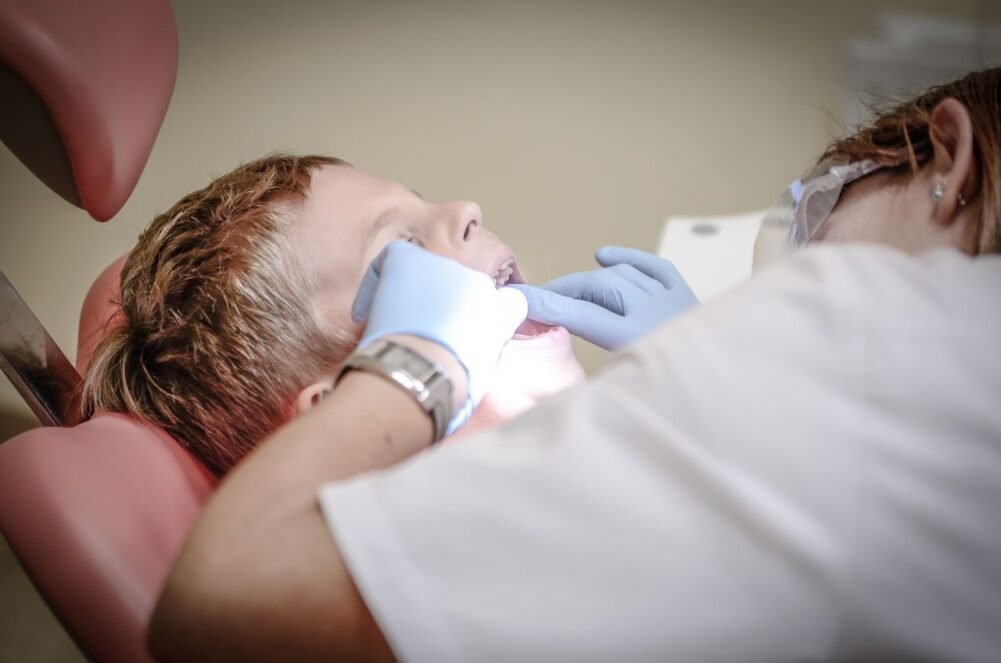
For most kids, the scariest part is not the treatment itself, but the unknown. A gentle, step-by-step approach helps the visit feel safe and manageable. A typical visit for a baby root canal may look like this:
- A warm welcome and simple “tour” of the kid-friendly office
- A gentle exam to look at the tooth and gums
- Digital X-rays if needed to see what is happening inside the tooth
- Numbing gel on the gums, followed by a local anesthetic
- Cleaning and treating the inside of the tooth, then placing a filling or crown
During the actual treatment, children are numbed, so what they usually feel is light pressure or movement, not sharp pain. We talk with them in age-appropriate terms so they know what to expect without feeling overwhelmed.
To keep kids extra comfortable, pediatric dentists often use:
- Small, child-size instruments
- Distraction like music, TV, or simple games
- Calm, steady communication and positive words
- Nitrous oxide (laughing gas) for anxious kids when appropriate
Safety is always a top priority. Pediatric dental teams are trained in child behavior techniques, infection control, and ways to adjust the plan based on each child’s age, health, and personality. Our goal is a smooth visit and a child who feels proud and brave afterward.
When Your Child Might Need a Baby Root Canal
Parents are usually the first to notice when something is not right with their child’s teeth. Signs that your child may need a baby root canal include:
- Toothache that does not go away
- Waking at night because of tooth pain
- Sensitivity to hot or cold that lingers
- Swelling or redness near a tooth
- A pimple-like bump on the gums
- Avoiding chewing on one side of the mouth
When you bring your child in with these symptoms, the pediatric dentist will review what your child has been feeling, look at the tooth, and often take digital X-rays. This helps us decide if the tooth can be saved with a baby root canal or if it would be healthier to remove it.
Timing matters too. Summer breaks, camps, travel, and back-to-school season can all be disrupted by toothaches or emergencies. Getting care early helps avoid missed activities, stress during school days, and last-minute urgent visits.
What to Expect After Treatment and How to Protect the Tooth
After a baby root canal, most children feel much better than before, since the source of pain has been treated. There may be mild soreness for a short time, which can often be managed with over-the-counter pain relief as directed by your dentist. Many kids go back to normal play and activities quickly.
We may recommend:
- Soft foods for the first day
- Chewing on the opposite side of the mouth at first
- Staying away from sticky or very hard snacks that could damage the repair
To protect the treated tooth, a strong filling or a small crown is often placed. This helps the tooth handle daily chewing without breaking and keeps the inside of the tooth sealed from germs. The crown also supports normal bite function while the baby tooth finishes its job as a space holder.
To keep the tooth and the rest of the smile as healthy as possible, focus on daily habits:
- Brushing twice a day with fluoride toothpaste
- Helping or checking younger kids as they brush
- Flossing between teeth once a day
- Limiting frequent sugary snacks, juices, and sweets
- Keeping regular checkups and cleanings
These steps can reduce the chance of new cavities and help your child enjoy a comfortable smile through school, sports, parties, and everyday life.
Help Your Child Smile Comfortably All Year Long
A baby root canal may sound big, but for many children it is a simple, comfortable way to stop pain and save an important tooth. When tooth trouble shows up, especially around busy seasons like summer break or back-to-school, it is better to address it early rather than hope it goes away on its own.
With a caring pediatric dental and orthodontic team focused on kids, a baby root canal can protect your child’s smile, support future orthodontic health, and help them feel safe in the dental chair. At Pediatric Dentistry & Orthodontics in South Florida, we are committed to gentle, advanced care that keeps little smiles feeling their best.
Protect Your Child’s Smile With Gentle, Expert Care
If your little one has been recommended for a baby root canal, we are here to explain every step and provide comfortable, kid-focused treatment. At Pediatric Dentistry Orthodontics, we take time to answer your questions so you can feel confident about your child’s care. Reach out to contact us and schedule an appointment so we can help your child get back to a healthy, pain-free smile.